
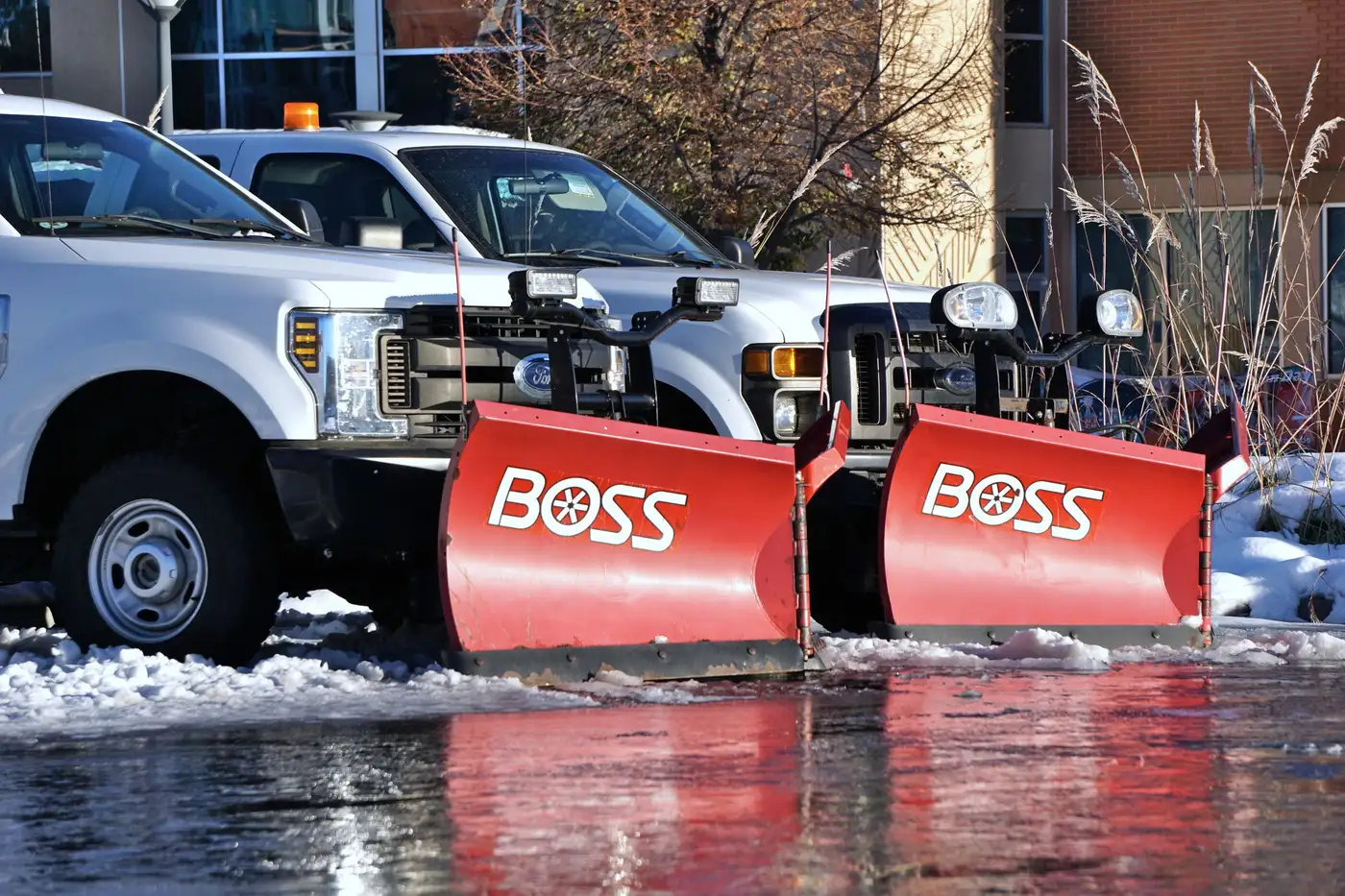
Every winter, the same thing happens. The first real storm arrives, six or eight inches falls overnight, and people start calling plow contractors at 6am. Almost none of those calls get answered, and the ones that do get answered mostly get a no.
That is not contractors being difficult. It is arithmetic.
Why snow is a contract business
A plow truck clears a fixed number of properties per storm — determined by how long each one takes and how far apart they are. A contractor builds a route in the fall and sells exactly that much capacity for the season. Once the route is full, it is full, and it stays full until spring.
So when a storm lands, the truck is already committed to the properties on that route. There is no spare capacity to sell at 6am, at any price. The properties that get cleared are the ones that were on the list in October.
What to agree before the first flake
A snow agreement is mostly about removing ambiguity while the ground is still visible and everyone is calm. The things worth pinning down:
- Trigger depth — the accumulation at which the truck rolls without you calling. Two or three inches is typical for residential.
- Scope — what gets plowed, what gets shoveled or machine-cleared by hand, and whether walks, entries and steps are included.
- Salt or ice melt — included in the seasonal rate, or billed per application, and which surfaces it goes on.
- Stacking — where the snow goes. This is the question people forget, and by February, on a tight driveway, it is the only question that matters.
- Return passes — whether the contractor comes back for drifting and for the windrow the town plow leaves across your apron.
- Priority — for commercial sites, what time the lot has to be open, and in what order it gets cleared.
The fall walkthrough is not optional
Before the first storm, the property should be walked while the ground is still visible. That is when a plow operator learns where the driveway edge actually is, where the wall caps and bed edges sit, which shrubs are close enough to be clipped, and where a hydrant, a septic cover or a drain is hiding.
It is also when markers go in. A staked drive is the difference between a clean edge in March and a spring repair bill for turf, sprinkler heads and bed edging.
Commercial properties have a second reason to book early
For a business, snow is a liability question as well as an access question. Slip-and-fall exposure in Massachusetts lives on your own walks, ramps and entries, and a documented, scheduled service with defined triggers is a large part of managing it. That documentation is much easier to produce when the contract was signed in October than when it was improvised during a storm.
When to book
October. Routes fill through the fall and are effectively closed once the first plowable storm lands — earlier in southern New Hampshire, where the season is longer and the totals are higher.
If your property needs a driveway, a walkway or a lot covered this winter, the conversation to have now is the one that keeps you off a waiting list in January.